Which Male Performance Ingredients Actually Work?
The male-performance-supplement aisle repeats the same handful of ingredients across dozens of brands, but the evidence behind each one varies enormously.
Here's an honest tier-list, based on what the published research actually supports versus what rests mainly on traditional use.
The well-studied tier
L-Arginine is probably the most consistently researched ingredient in this category. As a nitric-oxide precursor, its role in supporting healthy blood flow is well established in the literature, even if individual product doses vary.
Ashwagandha has one of the stronger modern research bases of any adaptogen, particularly for supporting stress response and cortisol balance — relevant here because stress directly affects performance confidence.
The traditional-use tier
Horny Goat Weed (Epimedium) has centuries of traditional use in East Asian herbal medicine, and contains a compound (icariin) that has drawn some modern research interest. But high-quality human trials specifically on Horny Goat Weed extract remain limited compared to L-Arginine or Ashwagandha.
Maca Root has a long history of traditional use in Andean culture for energy and vitality. Modern research on standardized Maca extracts is growing, with some small trials on libido and mood, but the evidence base is still developing.
Korean Red Ginseng sits similarly: strong traditional-use history, moderate and growing modern research, including some studies relevant to circulation and vitality — not as extensive as L-Arginine, but more than some newer botanical trends.
The 'be skeptical' tier
Ingredients marketed with dramatic before-and-after claims, or those appearing in a proprietary blend with no disclosed amount, deserve extra scrutiny regardless of which specific botanical is named. The name alone doesn't tell you the dose.
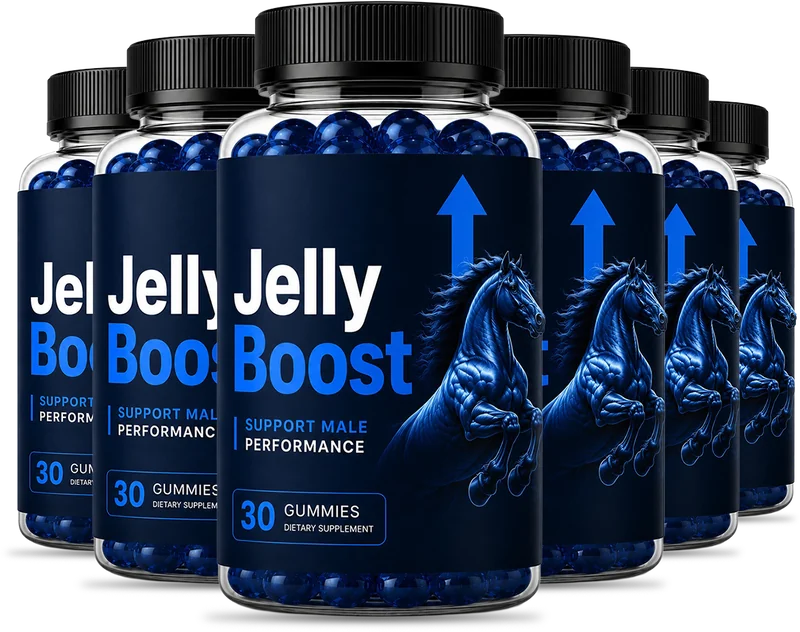
How this applies to JellyBoost
JellyBoost’s formula draws from both tiers — L-Arginine and Ashwagandha (well-studied), plus Horny Goat Weed, Maca and Korean Red Ginseng (traditional-use-based with growing research). That’s a fairly typical profile for this category, neither uniquely strong nor uniquely weak. See our full honest verdict for how we weigh it overall.